


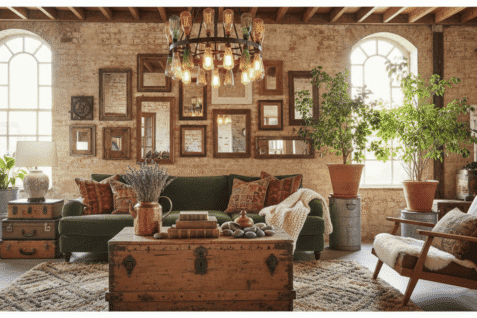
Boutique Hotel Secrets for Salvage Decorating at Home
I have always found a special kind of magic in boutique hotels. They offer an escape, a sense of curated charm and individuality that larger chains often miss. It is not …
I have always found a special kind of magic in boutique hotels. They offer an escape, a sense of curated charm and individuality that larger chains often miss. It is not just about the comfortable beds or the high end service. It is about the unique decor, the unexpected details, and the feeling that every item in the room tells a story.
We often wish we could bring that same distinctive style into our own homes. The good news is that we can. Many of the design secrets of these hotels actually lie in their clever use of salvaged and repurposed items. This approach allows for a truly personalized space, one that feels both luxurious and genuinely lived in.
I believe that by learning to see potential in discarded treasures, we can transform our living spaces. We can create homes that reflect our personality and tell our own unique tales. Let us explore how we can adopt these boutique hotel secrets and infuse our homes with character using salvage.
Unlocking the Boutique Hotel Aesthetic at Home
Boutique hotels captivate us because they reject cookie cutter design. Instead, they embrace individuality, offering a sensory experience that is rich with unique pieces and a sense of history. This is where salvaged items become incredibly powerful. They instantly add depth, texture, and a narrative that new furniture simply cannot replicate.
Think about a grand old wooden door repurposed as a statement headboard, or vintage suitcases stacked to serve as a quirky side table. These are not just functional objects. They are conversation starters. They show a deliberate choice to step away from mass produced uniformity and create something truly special.
The key is not to just fill your home with old stuff. It is about thoughtfully selecting pieces that resonate with you and fit your overall design vision. We are aiming for a curated look, one where each salvaged item feels like it was always meant to be there. This careful selection process is a hallmark of high end interior design.
When you walk into a boutique hotel, you rarely see a theme pushed too hard. Instead, you experience a harmonious blend of different eras and styles. Salvage decorating helps achieve this eclectic balance naturally. It allows for a design that evolves over time, just as your own tastes do.
The Art of Curated Individuality
Achieving this look means being intentional about every choice. We consider how a piece will interact with its surroundings. A chipped porcelain vase might look out of place next to sleek modern decor, but it could be the perfect counterpoint in a room filled with natural textures and soft lighting. I always look for items that bring a touch of the unexpected.
Consider the contrast. A rough hewn wooden beam as a mantelpiece against a smooth painted wall creates visual interest. An antique mirror with distressed silvering can make a small room feel larger while adding elegant age. These details make a space feel thoughtfully designed.
The Allure of Imperfection: Finding Your Salvage Treasures
The beauty of salvage decorating often lies in its imperfections. A scratch on an old wooden chest, a faded patch on a vintage rug, or a bit of rust on a metal sign all tell a story. They add character and warmth that perfectly polished items simply cannot. This embrace of flaws is a core principle in boutique hotel design, making spaces feel authentic and inviting.
For us, the hunt for these unique pieces is part of the fun. I find that the best places to discover true salvage treasures are not always obvious. You need to look beyond traditional retail. Architectural salvage yards, local flea markets, estate sales, and even online classifieds can be goldmines for unique finds.
I once found a set of old schoolhouse chairs at a barn sale. They were scratched and worn, but a little sanding and a fresh coat of paint transformed them into charming dining chairs. Their slight imperfections now add a touch of rustic charm to my kitchen. It is about seeing the hidden potential in something forgotten.
Eye for Detail: What to Look For
When I go salvage hunting, I focus on a few key elements. First, I consider the item’s form. Does it have an interesting shape or structure? Second, I look at the material. Is it solid wood, real metal, or quality glass? These materials often age beautifully and lend themselves well to repurposing. Finally, I imagine its potential new use. Could that old wagon wheel become a unique chandelier, or those industrial pipes a shelving unit?
It is important to assess structural integrity too. A wobbly chair or a crumbling cabinet will require more work than it is worth. I usually check for rot, deep cracks, or significant insect damage in wooden pieces. Metal items should be checked for excessive rust that might compromise their strength. A little surface rust is fine because it adds to the patina, but severe corrosion is a red flag. Always prioritize safety and stability when choosing your finds.
Weaving Stories into Your Spaces with Reclaimed Finds
Every piece of salvage comes with its own history. When we bring these items into our homes, we are not just decorating. We are curating a narrative. Boutique hotels excel at this by placing objects that evoke a sense of place or time, creating an immersive experience for their guests. We can do the same to give our homes a distinct personality.
Imagine an old map chest serving as a coffee table, its drawers filled with family photos or travel souvenirs. Or consider using vintage wooden crates as stylish and functional storage units. These items instantly become focal points, sparking curiosity and inviting conversation. They connect your home to a wider world of experiences.
The trick is to balance these historical pieces with newer elements. Too much old can make a space feel cluttered or dusty. Too much new can strip away character. I aim for a blend, where a modern sofa is complemented by an antique mirror, or sleek shelves hold a collection of salvaged glass bottles. This mix creates depth and visual interest.
It also makes your home feel collected over time, rather than decorated all at once. This organic evolution is a hallmark of sophisticated interior design. It shows thoughtfulness and personal taste, which are values we hold dear in our own renovation and design philosophy.
Practical Placement for Impact
When placing salvaged items, think about how they draw the eye and function in the space. An old wooden ladder, for example, can become a unique display shelf for blankets in a living room. Industrial metal lockers can be cleaned up and used as pantry storage or a unique wardrobe in a bedroom. The key is to see beyond the item’s original purpose and imagine its new life.
I find that groupings of smaller salvaged items, like vintage books or unique pottery, can create intriguing vignettes on shelves or mantels. Larger pieces, such as an antique workbench repurposed as a kitchen island, naturally anchor a room. They make a bold statement without overwhelming the space. Consider the scale of the item and the room to ensure it feels right.
Smart Repurposing and Upcycling Strategies
The true magic of salvage decorating lies in transforming items from their original purpose into something fresh and exciting. This act of repurposing and upcycling is not just economical. It is an act of creativity that adds undeniable character to your home. We often see this ingenuity in boutique hotels, where a forgotten object is given a new, stylish lease on life.
I love taking old wooden window frames and turning them into decorative wall art. Sometimes I add mirrors, other times I back them with interesting fabrics or even pressed flowers. Similarly, old metal gratings can become unique pot racks in a kitchen. The possibilities are endless when you approach items with an open mind and a willingness to experiment. This kind of creative approach to decorating with salvage is what truly makes a space stand out.
When you are ready to give a salvaged piece a new life, a few simple DIY steps can make a big difference. First, always clean your finds thoroughly. Sometimes a good scrub is all it takes to reveal hidden beauty. For wooden items, light sanding can smooth out rough patches. For metal, a wire brush can remove loose rust.
Simple DIY Transformations for Salvage Finds
Painting is one of the easiest ways to refresh a salvaged item. A coat of bright paint can modernize an old dresser, while a matte black finish can give an industrial piece a sophisticated edge. I often use chalk paint because it adheres well to many surfaces and provides a lovely soft finish. For metal, rust-inhibiting primers are essential before painting.
Minor repairs are also often simple to do. Replacing missing hardware on a cabinet or tightening loose screws on a chair can make an old piece feel sturdy and new again. We always emphasize that safety comes first. If a piece requires major structural repair or has sharp edges, it is best to consult with a professional or choose a different item. The goal is to enhance, not endanger, your home.
The Power of Patina: Embracing Age and Texture
Patina, the subtle sheen or coloring that develops on certain materials over time, is a secret weapon in salvage decorating. It signifies age, history, and a rich, lived in quality that modern finishes cannot replicate. Boutique hotels often highlight these aged elements to create an atmosphere of warmth and authenticity. We can easily bring this same feeling into our homes.
Think about the soft, muted tones of aged copper, the deep grain of reclaimed wood, or the gentle wear on vintage leather. These textures invite touch and add a tactile dimension to your decor. They tell stories without words, hinting at previous lives and journeys. When I incorporate pieces with beautiful patina, they instantly ground a room, making it feel established and soulful.
Mixing different textures is crucial for a dynamic and inviting space. Combine the rough beauty of raw wood with soft textiles, or the cool feel of rusted metal with plush upholstery. This interplay of materials creates visual interest and prevents a room from feeling flat or one dimensional. It is about creating a sensory experience that draws you in.
I believe that patina brings a unique depth that new items struggle to achieve. It adds a layer of sophistication that is both subtle and impactful. This is especially true in contemporary settings, where a salvaged wooden bench or a collection of antique clay pots can soften sharp lines and inject warmth into a minimalist aesthetic.
Lighting and Greenery: Finishing Touches with Salvage
The final touches in any well designed space often come down to lighting and natural elements. Boutique hotels master this by using unique light fixtures and lush greenery to create inviting and often dramatic atmospheres. With salvage, we can achieve similar effects, adding both functionality and beauty to our homes.
Consider using vintage light fixtures that you can rewire or adapt for modern use. An old industrial lamp can be a fantastic desk light, or a series of mismatched antique glass bottles can be transformed into a charming pendant light arrangement. The warm glow from these unique sources adds character that typical store bought lamps might lack. I often seek out interesting lamp bases that I can pair with new shades to create custom pieces. This gives a personalized feel to your lighting scheme.
Integrating greenery is another powerful way to soften salvaged items and bring life into your decor. Old wooden crates can become planters for herbs or small houseplants. Vintage metal buckets, when cleaned and sealed, make excellent rustic pots for larger greenery. Even an old bicycle wheel can be hung and adorned with climbing plants, creating a living art installation.
Plants not only add color and freshness but also provide a natural contrast to the often rugged textures of salvaged materials. They soften hard lines and create a sense of tranquility, which is something many boutique hotels strive for in their design. I find that placing different sized plants in varying salvaged containers creates a visually interesting and vibrant corner in any room. It completes the look and makes the space feel truly alive.
Craft Your Unique Haven: A Concluding Thought
Embracing the secrets of boutique hotel design through salvage decorating means creating a home that is truly your own. It is about more than just filling spaces. It is about weaving stories, celebrating imperfections, and finding beauty in the forgotten. I have seen firsthand how transforming salvaged items can not only enhance a room’s aesthetic but also infuse it with a sense of history and personality that mass produced decor simply cannot offer.
We believe that innovation in home renovation extends beyond new materials and modern techniques. It includes the imaginative reuse of what already exists, giving items a second life and purpose. This approach is sustainable, budget friendly, and deeply rewarding. It allows you to craft spaces that reflect your unique journey and values. So, I encourage you to look at everyday objects with a fresh perspective. Your home can become a testament to creativity and thoughtful design, a place of comfort and constant discovery. Start exploring local treasures today and embark on your own unique decorating adventure. Your dream space is waiting to be uncovered.


